
Fall Is Coming: What Your Houseplants Want You to Know
Summer is officially winding down (😭). During these summer months, your plants have been enjoying longer days, more sunlight, and warmer temperatures. As fall approaches, their environment is starting to change, even when they only live indoors. There are a few key things to pay attention to as your plants are making this transition.
1. Adjust Your Watering
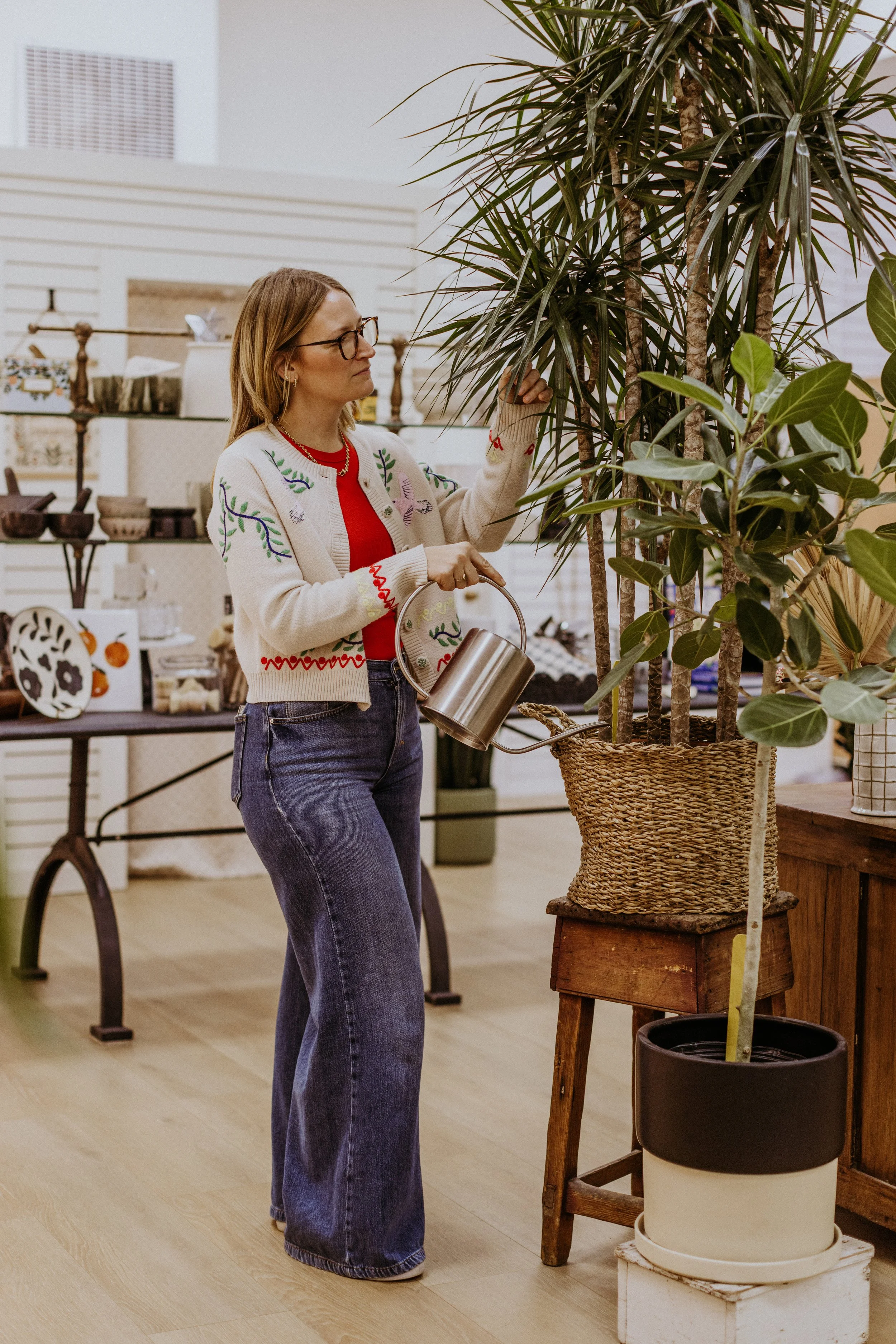
During the summer, your plants are photosynthesizing more, which means that they are using more water. As temperatures drop and the days get shorter, they will begin using less water. If your plant has needed water about every 7 days during the summer, do not assume that will continue as we head into fall and winter. As you’re learning your plants' new needs, it is more crucial than ever to check the soil of your plant before watering to ensure it is actually ready for water. Your calendar may say it's watering day, but your plant does not care what day of the week it is.
2. Watch the Light
Our days are getting shorter, which means your plants are getting less sunshine! Plants that were thriving during the summer may need more attention and care now that they are receiving less sunlight. This is a great time to consider moving them to a South-facing window or installing a grow light to get them more dedicated light. Basically, if your plant could file a complaint with the sun, it probably would.
3. Start Thinking About Temperature
One of the best parts of fall is opening our windows to let in the crisp, fresh air. As much as we love this, we need to consider what this means for our plants. If you’re leaving your windows open at night, it’s a good idea to move plants away from those windows to prevent too much cold exposure. Most indoor plants don’t love the dramatic temperature swings we can get during the shoulder seasons. Additionally, as we move into winter, remember that heaters can dry out our air, and your plants might need a little boost of humidity to balance that out!
4. Ease Up on Fertilizer
As growth slows, your plants don’t need as much food as they do during the growing season. While the majority of plants don’t go completely dormant during the winter months when they’re indoors, their growth does slow down, and you can hold off on fertilizing again until the spring when they are ready to grow again.
5. Don’t Panic!
Plants often have reactions to the changing seasons, and you may notice some leaf yellowing or dropping. Most of the time, this is just a reaction to their changing environment. If you are adjusting your care accordingly, your plants should all be just fine throughout the fall and winter.
Your plants don't need you to panic every time the seasons change. They just need you to pay attention and make a few small adjustments. And if your ficus decides to dramatically drop half its leaves for seemingly no reason, just remember: that's probably just its way of keeping things interesting.